

Depression vs. Anxiety: What’s the Difference

Luxury Therapy for When Things Are Off
If you feel different but can’t explain why, that uncertainty is not harmless. It’s a signal. A noticeable difference in your mood, energy, or focus is your body and mind asking for attention. The longer you delay identifying what’s happening, the more space these conditions have to grow.
Many people reach this point and hesitate. You question whether it’s stress, burnout, anxiety, depression, or a mix of all three. That hesitation is common, but it’s also where progress stalls. If your day-to-day experience has changed, it’s time to take it seriously.
Lifeline Recovery and Wellness in Malvern, PA offers the best outpatient programs to help you become completely content and free from stress.
Anxiety and Depression Are Different, But Closely Linked
When it comes to depression vs. anxiety in Pennsylvania, they are not the same condition. Of course, the two are deeply connected. Anxiety tends to heighten your system. You become alert, tense, and often overwhelmed by a constant sense of worry or dread. Depression does the opposite. It slows everything down, drains motivation, and replaces momentum with heaviness.
While they sound like opposites, they often exist together. One can trigger the other, and when they overlap, symptoms become more intense and more difficult to manage. This is where many people get stuck, trying to separate them instead of addressing them.
What Anxiety Really Looks Like
There is a clear difference between normal worry and clinical anxiety. Occasional stress is part of life. But when worry becomes persistent, excessive, and spreads across multiple areas of your life, it’s no longer situational.
Anxiety often shows up as constant overthinking, difficulty making decisions, and an inability to relax. Your mind stays active, even when there’s no immediate problem to solve. You may expect worst-case outcomes or get stuck in cycles of fear that don’t resolve.
This isn’t just mental. Anxiety affects the body in measurable ways. Muscle tension, chest tightness, fatigue, heart palpitations, and shortness of breath are common. Over time, your body remains in a prolonged fight-or-flight state, which can wear down both your physical and mental health. This is not sustainable, and it doesn’t resolve on its own.
What Depression Is Actually Like
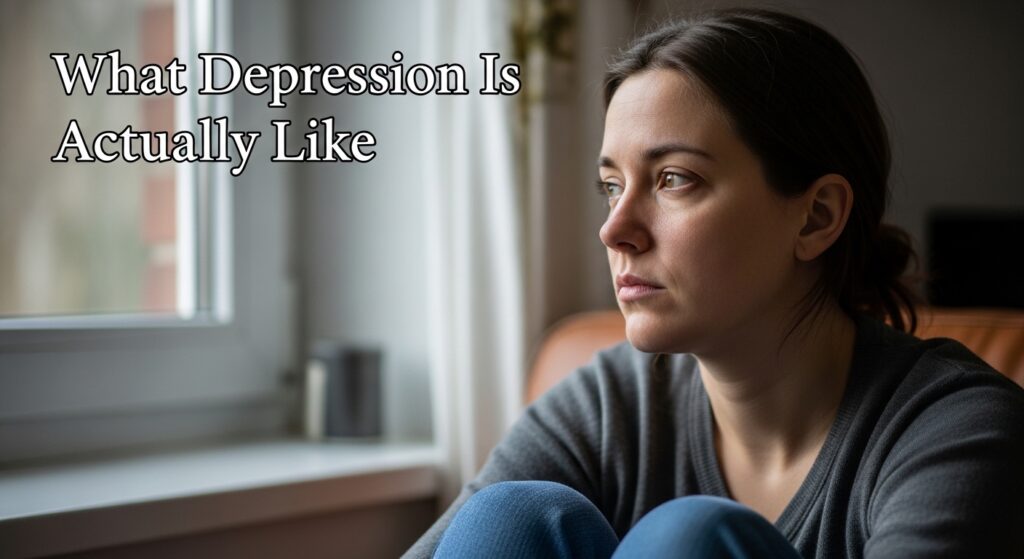
Depression is often misunderstood as simple sadness. In reality, it affects how you function. It changes how you think, how you move through your day, and how you respond to responsibilities.
You may lose interest in things that once mattered. Sleep becomes inconsistent. Appetite may change, and physical discomfort can appear without a clear cause.
More concerning are the internal patterns of worthlessness, low self-esteem, and in more serious cases, thoughts of self-harm or suicide. These are not minor symptoms. They require immediate attention and professional support.
Where Anxiety and Depression Overlap
One of the biggest challenges is that anxiety and depression share several symptoms. Sleep disruption, appetite changes, difficulty concentrating, irritability, and restlessness can occur in both conditions.
This overlap makes self-diagnosis unreliable. Trying to label what you’re experiencing without guidance often leads to delays. If these symptoms are present and persistent, the focus should shift from defining the problem perfectly to addressing it effectively.
The Key Differences That Matter
If you’re trying to understand what you’re experiencing, pay attention to your energy and your outlook.
Depression typically reduces energy and disconnects you from motivation or future plans. You stop looking forward to things. Anxiety, on the other hand, can be like excess energy, but it’s scattered and driven by worry rather than purpose.
Both are exhausting in different ways, and both can interfere with your ability to function. The distinction matters, but taking action matters more.
When Both Conditions Show Up Together
Anxiety can lead to avoidance, isolation, and missed responsibilities, which can evolve into depression. Depression can escalate quickly if left unaddressed.
When both are present, symptoms often intensify. You may feel trapped between mental overload and emotional shutdown. This combination can increase the risk of self-harm and significantly impact your ability to manage daily life. At this point, waiting is not a strategy. It’s a risk.
Treatment Works—But Only If You Act
You can treat anxiety and depression, but improvement requires action. Therapy, particularly cognitive behavioral therapy, is one of the most effective approaches. It helps you identify and change the patterns driving your thoughts and behaviors.
Medication may also be necessary, especially when symptoms are moderate to severe. In many cases, the best outcomes come from a combination of both, supported by lifestyle adjustments that address underlying triggers.
The key is not finding a quick fix. It’s committing to the right process.
What You Do Next Matters
You don’t need a perfect understanding of depression vs. anxiety to take the first step. If you’re going through your day telling yourself you’re fine when you know you’re not, that’s enough evidence to act.
Mental health doesn’t improve through avoidance. The longer you wait, the more these conditions shape your thinking, your behavior, and your quality of life. Call Lifeline Recovery and Wellness today. Our program delivers structured outpatient support that helps individuals take back control from anxiety and depression so they can rebuild stability and move toward a more fulfilling life.